






Search Results for: Wild Geisha
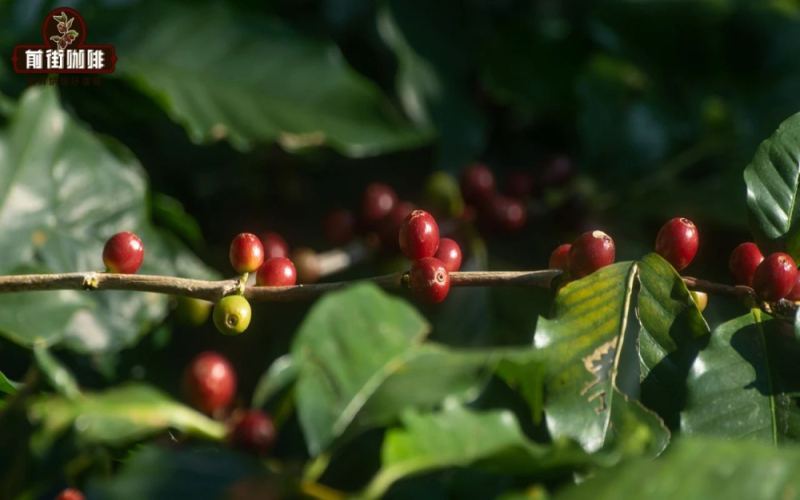
Ethiopian Coffee vs. Geisha Variety Comparison: Flavor Characteristics of Kafa Wild Forest Washed Beans and V60 Brewing Method
Ethiopia, as the birthplace of Arabica coffee, is home to numerous well-known growing regions, and the Geisha variety takes its name from the Geisha Mountain in the country's Kafa forest. Starting from Front Street Coffee's everyday bean series, this article systematically reviews Ethiopia's coffee-growing conditions, its main producing regions, and the wild coffee characteristics of the Kafa Biosphere Reserve, while comparing in detail the essential differences between the native heirloom varieties of the Kafa forest and the Panamanian Geisha variety. It also introduces the flavor profile of Front Street's washed Kafa Forest coffee beans, along with the specific parameters and techniques for three-stage extraction using a V60 dripper, helping coffee enthusiasts understand more clearly the relationship between Ethiopian coffee and Geisha. [more…]
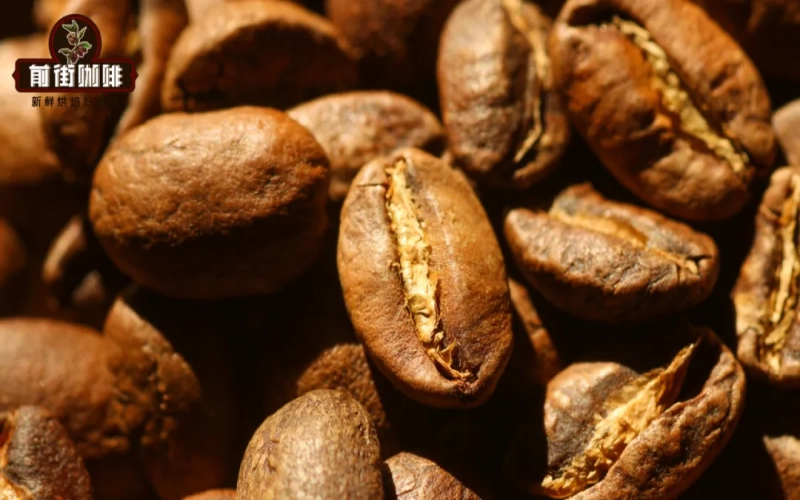
A Complete Guide to Panama Geisha Coffee: From Its 1931 Wild Discovery to the T2722 Variety and Hacienda La Esmeralda's Red and Green Labels
Geisha coffee is the most dazzling variety in the specialty coffee wave of the past two decades, constantly breaking global coffee price records. In 2022, the Lamastus family of Panama auctioned a batch of just 7 pounds of honey-processed Geisha for a staggering $6,034 per pound, drawing attention once again. However, Geisha's legend was not built overnight—it was discovered in Ethiopia in 1931, and after being cultivated and passed through Kenya, Tanzania, Costa Rica, and other places, it finally took root in Panama as the T2722 line. This article will trace the complete thread of Geisha from wild collection to fame, introduce in detail Hacienda La Esmeralda's Red Label and Green Label product lines, and share Front Street Coffee's Geisha brewing suggestions, giving you a comprehensive understanding of this rare variety. [more…]
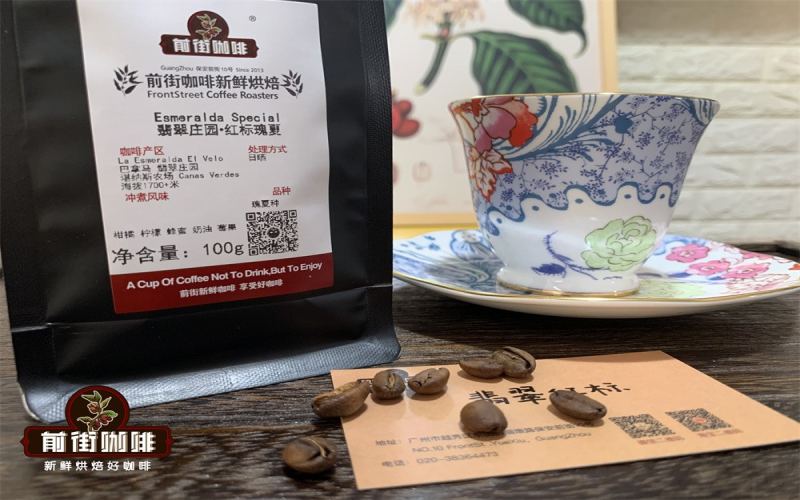
The Rise of Geisha Coffee and a Guide to Selecting Cost-Effective Geisha Beans
Geisha, called "艺妓 coffee" because its pronunciation resembles the Japanese word for geisha, has become a legendary variety in the specialty coffee world thanks to its extremely bright, rich aroma and auction prices that keep setting new records. From its wild collection in 1936 in the Geisha Mountains of Ethiopia, to its stunning debut at Hacienda La Esmeralda in Panama, and then to its sweep of major cupping competitions, Geisha took more than half a century to complete its rise from an obscure wild species to the king of coffee. This article will sort through Geisha's legendary record and flavor characteristics, and, in combination with Front Street Coffee's sales rankings, recommend three Geisha coffee beans with excellent quality and friendly prices, helping enthusiasts appreciate Geisha's captivating charm at a more reasonable cost. [more…]
Exploring Ethiopia's Gesha Village Estate: The Origins, Grading System, and Full Flavor Analysis of Wild Geisha
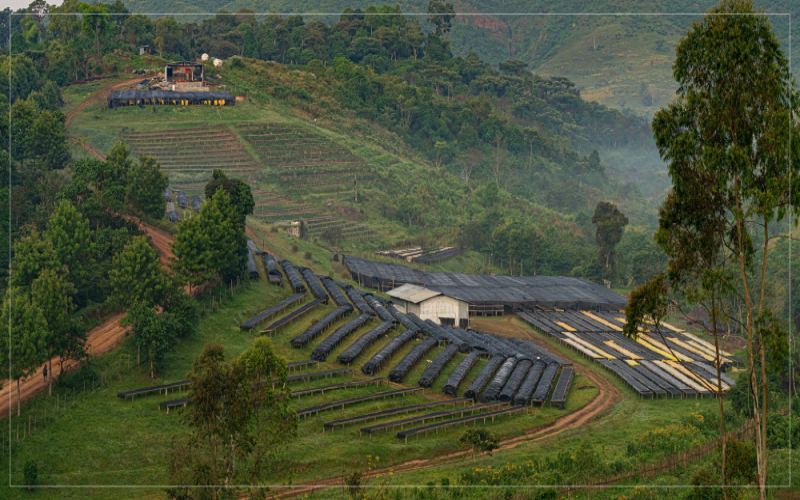
When it comes to Geisha, most people first think of that cup of floral tea with rose aromas and citrus notes from Hacienda La Esmeralda in Panama. However, in the Bench Maji region of Ethiopia, there hides another estate famous for its native wild Geisha — Gesha Village. It was founded in 2011 by documentary filmmaker Adam Overton and his photographer wife Rachel Samuel, and boasts a strict grading system and a complete flavor traceability system. This article will take you deep into the discovery journey of Gesha Village, the grading standards for the Auction/ Gold/ Red/ Green/ Chaka lots, processing details, and block divisions, along with Front Street Coffee's brewing parameters and flavor descriptions for the Gold, Red, and Chaka lots, providing coffee lovers with a comprehensive guide to Gesha Village. [more…]
A Comprehensive Analysis of the Characteristics of Ethiopia's Southwestern Kafa Forest Coffee Region and the Origins of Wild Arabica
Ethiopia is globally recognized as the birthplace of coffee, and its southwestern Kafa Forest is widely regarded as the original homeland of Arabica coffee. Starting from Ethiopia's overall coffee-growing conditions, this article outlines the distribution of well-known producing regions such as Yirgacheffe, with a focus on the geography, ecology, and coffee cultivation patterns of the Kafa region and the Kafa Biosphere Reserve. It also clarifies a common misconception: the Kafa Forest and the Panama Geisha variety are not the same thing. The article also introduces the flavor profile of Front Street Coffee's Kafa Forest washed beans and V60 brewing parameters for coffee enthusiasts' reference. [more…]
Flavor Comparison and Origin Analysis of Gori Gesha and Gesha 1931 Varieties from Gesha Village, Ethiopia
The origin of the Geisha coffee variety lies in the Gori Geisha Forest in Geisha Village, Ethiopia, which is also the original collection site of Panama Geisha. In 2011, Adam and consultant Willem Boot discovered wild Geisha in the forest, confirmed through genetic testing its kinship with Panama Geisha, and selected the plants most closely resembling today's Panama Geisha for seedling cultivation. Geisha Village does not only grow Geisha; it also cultivates the Illubabor native variety, and is internally divided into Auction, Gold, Red, Green, and Chaka lots. Although both are Geisha, the flavors of the Panama and Ethiopian origins are vastly different, with terroir differences being the key. Front Street Coffee takes you on an in-depth look at the variety characteristics and flavor differences of Geisha Village. [more…]

From Documentary Director to Geisha Estate Owner: Adam Overton's Journey of Searching for Geisha's Roots and Cultivation in Ethiopia
Geisha is now a star variety in the specialty coffee world, but where exactly is its original home? After filming a coffee documentary in Ethiopia, documentary director Adam Overton and his photographer wife Rachel Samuel dreamed of establishing a Geisha estate. They learned from Geisha authority Willem Boot, ventured deep into the Bench-Maji region on Ethiopia's southwestern border, and ultimately found near the Gori Gesha wild forest a variety genetically highly similar to Panama Geisha, and established the Gesha Village Coffee Estate. This article tells the story of this Geisha roots-seeking journey spanning two continents, as well as the flavors and variety future that Front Street Coffee is following. [more…]
Ethiopia Bench Maji Region Full Guide: The Birthplace of Geisha, Forest Planting Model, and the Grading System of Gesha Village
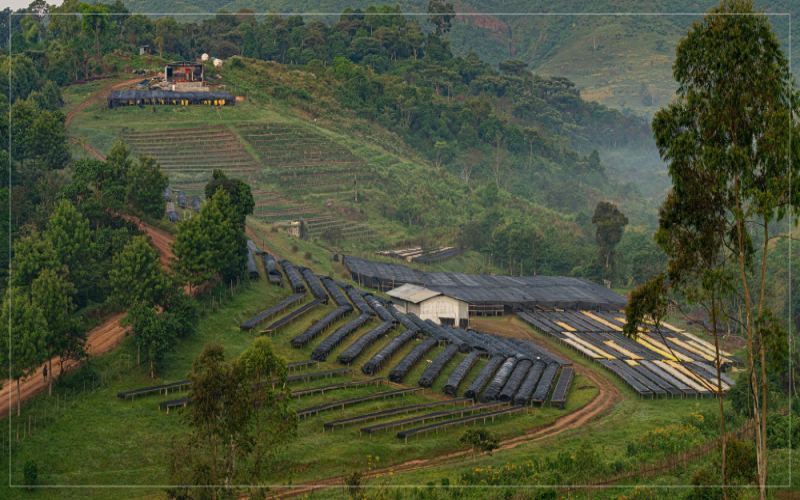
In Ethiopia's specialty coffee landscape, Yirgacheffe, Sidamo, and Guji Hambela often take center stage in conversations, but along the country's western border lies a coffee region covered in pristine forest and renowned for its high-quality beans—Bench Maji. It is not only the birthplace of the Geisha variety but also home to the Gesha Village Coffee Estate. This article will cover the geography and climate, cultivation patterns, and the history of Geisha's origins, then move on to the grading system at Gesha Village, followed by Front Street Coffee's detailed introduction to Gold Label and Red Label Geisha along with pour-over recommendations, giving coffee lovers a complete picture of this understated yet highly capable region. [more…]
An In-Depth Analysis of Ethiopia's Bench Maji Region: The Origin Story of Gesha Village Estate and Native Geisha
Among Ethiopia's many coffee-producing regions, Yirgacheffe, Sidamo, and Guji Hambela often dominate the conversation, but Bench Maji on the western border is an underrated treasure. Not only does it preserve vast tracts of virgin forest, it is also home to the renowned Gesha Village Coffee Estate and the area where the Geisha variety was first discovered. Front Street Coffee will take you into Bench Maji, sorting through its geography and climate and its forest-based cultivation model, tracing the century-long story of Geisha from the Kafa forest to Panama and then to the founding of Gesha Village, and offering a detailed breakdown of Gesha Village's Gold Label, Red Label, and other grading systems along with brewing recommendations. [more…]
Ethiopia Gesha Village Red Label Geisha: Origin Story, Variety Characteristics, and Brewing Analysis
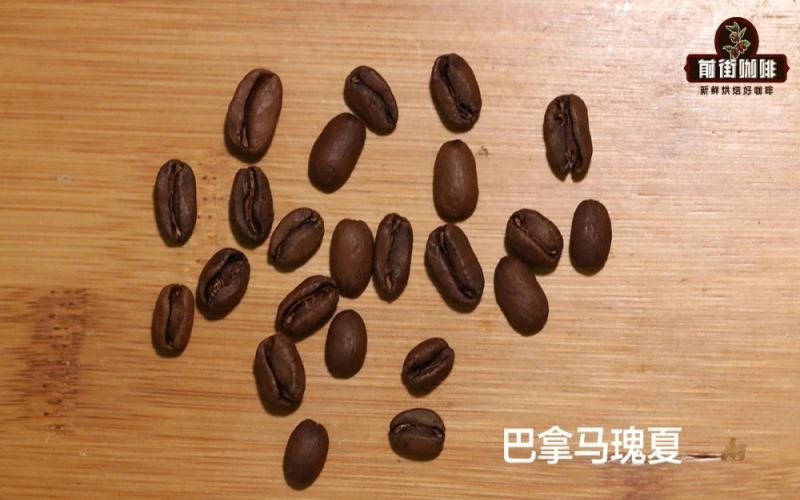
Geisha coffee made Panama famous worldwide, yet the origin of it all traces back to the primitive forests of Ethiopia. Located in the Bench Maji region, Gesha Village Coffee Estate was founded by documentary filmmaker Adam Overton and his photographer wife Rachel Samuel, who collected seeds from wild Geisha forests and ultimately built this 500-hectare large farm planted exclusively with the Geisha variety. The estate divides its land into 8 blocks, selecting the most suitable variety for each based on microclimate differences. The Red Label Geisha produced here undergoes natural processing, featuring prominent sweetness. Front Street Coffee will this time provide a detailed interpretation centered on the historical origins of Gesha Village Coffee Estate, the differences among its three main varieties, and Front Street's Red Label Geisha roasting and brewing scheme. [more…]
Ethiopian Gesha Village Coffee Bean Guide: Full Breakdown of Red Label and Gold Label Grades, Gori Gesha, and Gesha 1931 Varieties
When Gesha is mentioned, most people first think of Panama's Hacienda La Esmeralda, but the variety actually originated in Ethiopia. Gesha Village, Ethiopia's most renowned Gesha-producing origin, is located in the wild forests of Bench Maji, where three main varieties are grown: Gesha 1931, Gori Gesha, and Illubabor. Drawing on the Panamanian model, the estate has established a five-tier classification system—auction lot, gold, red, green, and chaka—with each parcel planted to only one variety, allowing the variety's origin to be traced by parcel. Front Street Coffee brings you two beans from Gesha Village, the Red Label and the Gold Label, which combine the bright acidity and fresh floral aromas of African coffee, with citrus, tea-like notes, and berries running through the flavor profile—an unmissable choice for Gesha lovers. [more…]
Exploring the Birthplace of Geisha Coffee: The Legendary Journey from Gesha Mountain in Ethiopia to Geisha Village Estate
Geisha coffee is hailed as the new king of specialty coffee, conquering countless coffee lovers with its rich floral aroma and tropical fruit notes. Yet where exactly does this legendary coffee originate? And how did it travel from the wild forests of Ethiopia to the world stage? This article will trace the mystery of Geisha coffee's origins—from the native variety on Gesha Mountain to the founding of Gesha Village Coffee Estate, from the forest expeditions of Bench Maji to the astonishing prices at international auctions—offering a comprehensive overview of Geisha coffee's origin history and variety classification. At the same time, Front Street Coffee will also share the brewing parameters and flavor profile of Gesha Village Red Label Geisha, providing a professional reference for your tasting. [more…]
Exploring Panama's Boquete Region: The Origins of Geisha and the High-Value Choice of Butterfly Coffee
Although Panama is a small country, it occupies a pivotal position in the world of specialty coffee. Its western mountainous region, bordering Costa Rica, nurtures coffee beans of exceptional flavor thanks to its unique microclimate and high-altitude volcanic soil. This article takes you into the core production area of Boquete to learn about the origin and characteristics of Geisha, a rare wild variety, analyze where the rich flavor of Panama's high-altitude coffee comes from, and focus on Front Street Coffee's Butterfly, a high-value everyday drinking bean featuring a Geisha blend—from terroir to brewing method, all explained in one go. [more…]
The Origin Story and Flavor Characteristics of Panama Geisha, and Three Geisha Coffees Worth Trying
Geisha is called "geisha coffee" because its pronunciation resembles the Japanese word for "geisha," and it is the most legendary variety in the specialty coffee world. It originated in the wild forests of Ethiopia, passed through Tanzania and Costa Rica, and finally shone brilliantly at Hacienda La Esmeralda in Panama, winning the Best of Panama cupping competition from 2005 to 2007 in succession and taking first place in the SCAA International Coffee of the Year cupping contest, with auction prices once reaching $130 per pound. Geisha green beans are blue-green in color and slender in shape, and are known for floral aromas and tropical fruit sweetness. Panamanian Geisha is extremely demanding regarding its growing environment, requiring high altitude, cloud and mist shading, and fertile soil. In addition to explaining the history and flavor characteristics of Geisha, this article will also recommend three high-quality and cost-effective Geisha coffee beans based on Front Street Coffee's sales rankings. [more…]

Ethiopia Gesha Village Golden Label Geisha: Oma Block Natural Flavor and Cupping Performance
When Geisha is mentioned, most people first think of Panama, but the roots of this legendary variety actually lie in Ethiopia. Front Street Coffee recently tested a Gold Label lot from Gesha Village, produced on the Oma block, of the Geisha 1931 variety, using a refined natural process. Gesha Village was founded around 2009 by Adam Overton and Rachel Samuel, who established the farm after finding wild Geisha in the Gori Gesha forest, and it is one of the rare large estates that grows only the Geisha variety. This article will present a complete picture of this African Geisha's performance and flavor profile, from the estate's history, variety classification, and the flavors of its eight blocks, to the Gold Label grade, natural process, roasting curve, and cupping and brewing. [more…]
From Ethiopia to Panama: Flavor Differences Between Gesha Village and Panama Geisha, and the Red Label Story
Geisha journeyed from the primitive forests of Ethiopia to Panama, and was then brought back to its homeland by a couple of documentary filmmakers. Under the guidance of Willem Boot, Adam Overton and Rachel Samuel established Gesha Village Coffee Estate in the Bench-Maji region of Ethiopia, rediscovering the wild Gori Gesha forest. This article sorts out the origins and characteristic differences between Ethiopia's Gesha Village and Panama Geisha, explains in detail Gesha Village's grading system of Auction Lots, Gold Label, Red Label, Green Label, and Chaka batches, and retains Front Street Coffee's brewing parameters and flavor descriptions, providing a complete reference for coffee enthusiasts. [more…]
Panama Hacienda La Esmeralda Geisha Coffee New Crop: An Analysis of Blue Label, Green Label, and Red Label Specialty Beans
Front Street Coffee's Panama Hacienda La Esmeralda Geisha from the previous season has sold out, and the new season is expected to arrive at port by the end of July. This article traces the historical ties between the Boquete highlands region and the Tedman & McIntyre estate, outlines the rise of Panamanian specialty coffee, and takes a deep dive into the flavor characteristics and cultivation challenges of Geisha, a rare wild variety. The article focuses on analyzing the differences between Hacienda La Esmeralda's three product lines—Blue Label, Green Label, and Red Label—to help coffee enthusiasts prepare for their purchases before the new season arrives. [more…]
The Rise of Geisha Coffee: From Ethiopia's Wild Forests to the Legendary Fame of Hacienda La Esmeralda
Geisha coffee is now a dazzling star in the specialty coffee world, and its signature floral aroma and complex fruity flavors fascinate countless coffee lovers. But few people know that this variety took more than seventy years from its discovery to truly making a name for itself. In this article, Front Street Coffee traces the origins of Geisha, from its collection in Ethiopia's Kaffa forests in 1931, to trial cultivation in Kenya, Costa Rica, and elsewhere, and then to its discovery and cultivation by the Peterson family at Hacienda La Esmeralda in Panama, laying out in detail the rise to fame of this legendary variety. The article also provides an in-depth introduction to the microclimate characteristics and lot division system of Hacienda La Esmeralda's three major plots, and includes the complete pour-over parameters and three-stage extraction steps for the Emerald Red Label Natural Geisha served at Front Street stores, for coffee lovers to refer to and put into practice. [more…]
Exploring Ethiopia's Gesha Village Estate: A Complete Analysis of Wild Geisha Gold Label, Red Label, Chaka Flavors and Grading
In the world of coffee, Geisha is undoubtedly a shining name. Most people first think of the Geisha from Panama's Hacienda La Esmeralda, which after being identified for its unique flavor in 2003, went on to win numerous green bean competitions such as the BOP. However, in Ethiopia's Bench Maji region, there is also a village likewise named Geisha, where the Geisha grown is entirely different from Panama Geisha, yet equally stunning. Front Street Coffee will take you into Gesha Village Coffee Estate, from its discovery history and estate overview, to the grading system of Gold Label, Red Label, Green Label, and Chaka batches, and then to processing methods and block divisions, comprehensively unraveling the coffee secrets of this legendary estate. Whether you want to understand the flavor differences between Gesha Village Gold Label and Red Label, or are curious about the blending charm of the Chaka batches, this article will reveal them all for you one by one. [more…]
A Comprehensive Analysis of the Varietal Origins, Flavor Characteristics, and Pour-Over Techniques of Geisha Coffee Beans
Geisha is one of the most sought-after varieties in today's specialty coffee world, having won over countless enthusiasts with its stunning floral and fruity aromas and unique sweetness. This variety originally came from the wild forests of Ethiopia and is now cultivated in small quantities in places such as Panama and Guatemala. This article will guide you through the botanical characteristics of the Geisha coffee tree, the appearance and flavor expression of both green and roasted beans, and share how to fully release its aromatic layers through pour-over brewing. If you are looking for a bean worth savoring slowly, Front Street Coffee's Geisha single origin may become your new choice. [more…]